One Tab
Role
Product Designer · UI/UX
YEAR
2022
Focus
Content Discovery · Multi-Platform UI/UX
YEAR
2022
Client
Concept
YEAR
2022
Year
2025
YEAR
2022
Designing a calmer, smarter way to consume content across platforms
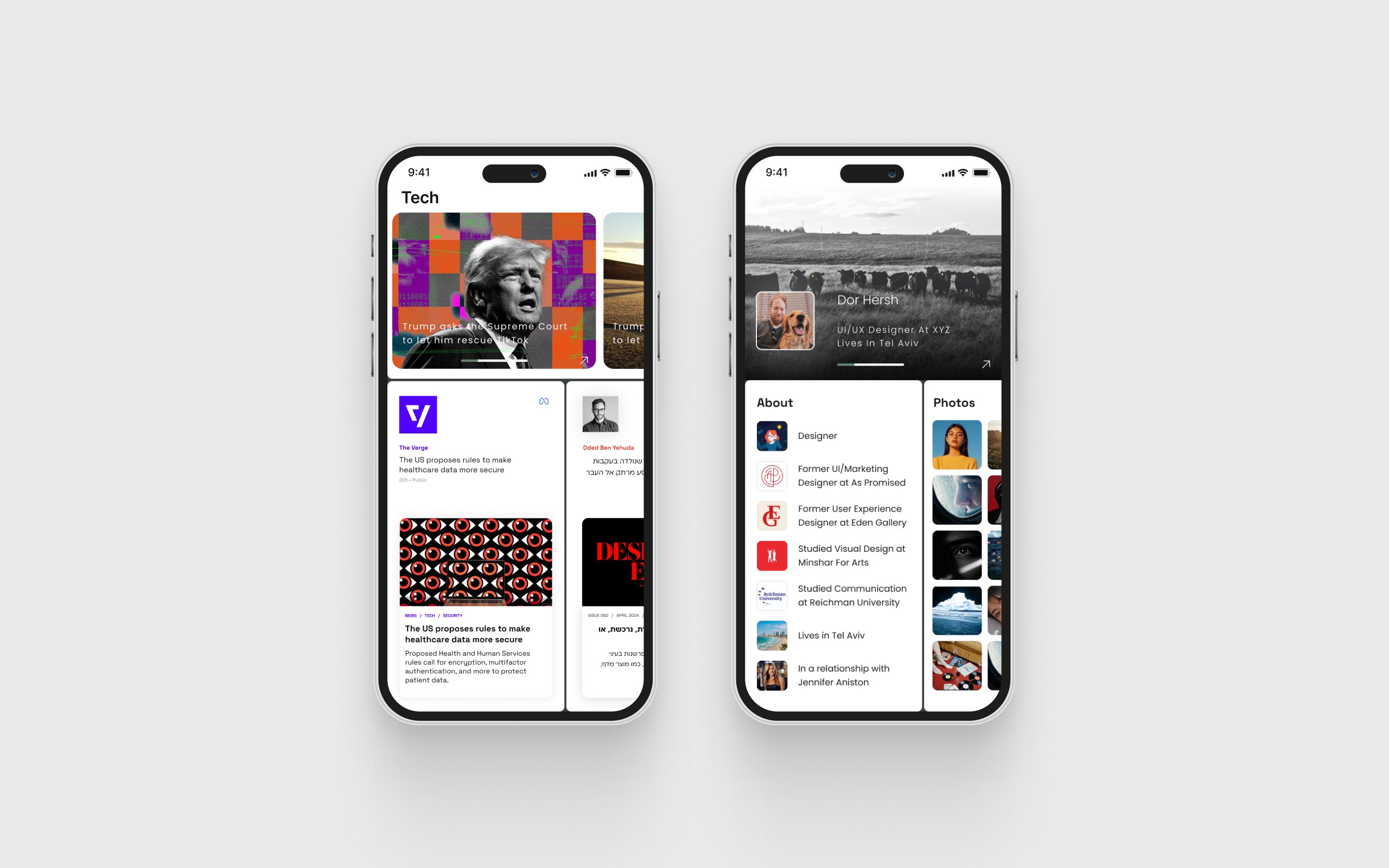
One Tab is a self-initiated concept exploring a problem that's gotten worse every year: the more content platforms exist, the harder it is to find something worth reading. Most people maintain four or five separate apps and spend more time switching between them than actually engaging with anything.
The question: what would a content experience look like if designed around focus rather than engagement metrics?
CHALLENGE — Platforms optimized against the user
Existing platforms are optimized for time-on-app, not quality of experience. Infinite scroll, algorithmic anxiety, and notification pressure are features, not bugs — engineered to keep users in low-grade stimulation. The result: users feel overwhelmed, rarely finish what they start, and come away having consumed a lot while retaining very little.
The design challenge wasn't just visual. It required taking a position on what a content app should actually be trying to do for its users.
PROCESS — Starting with the question, not the UI
Rather than redesigning an existing interface, I started by defining a set of anti-patterns to avoid — every design decision had to pass a single test: does this serve the user's attention, or compete for it? That constraint shaped the information architecture, the motion language, and the intelligence layer before a single screen was drawn.
DESIGN DECISIONS — Calm as a product decision
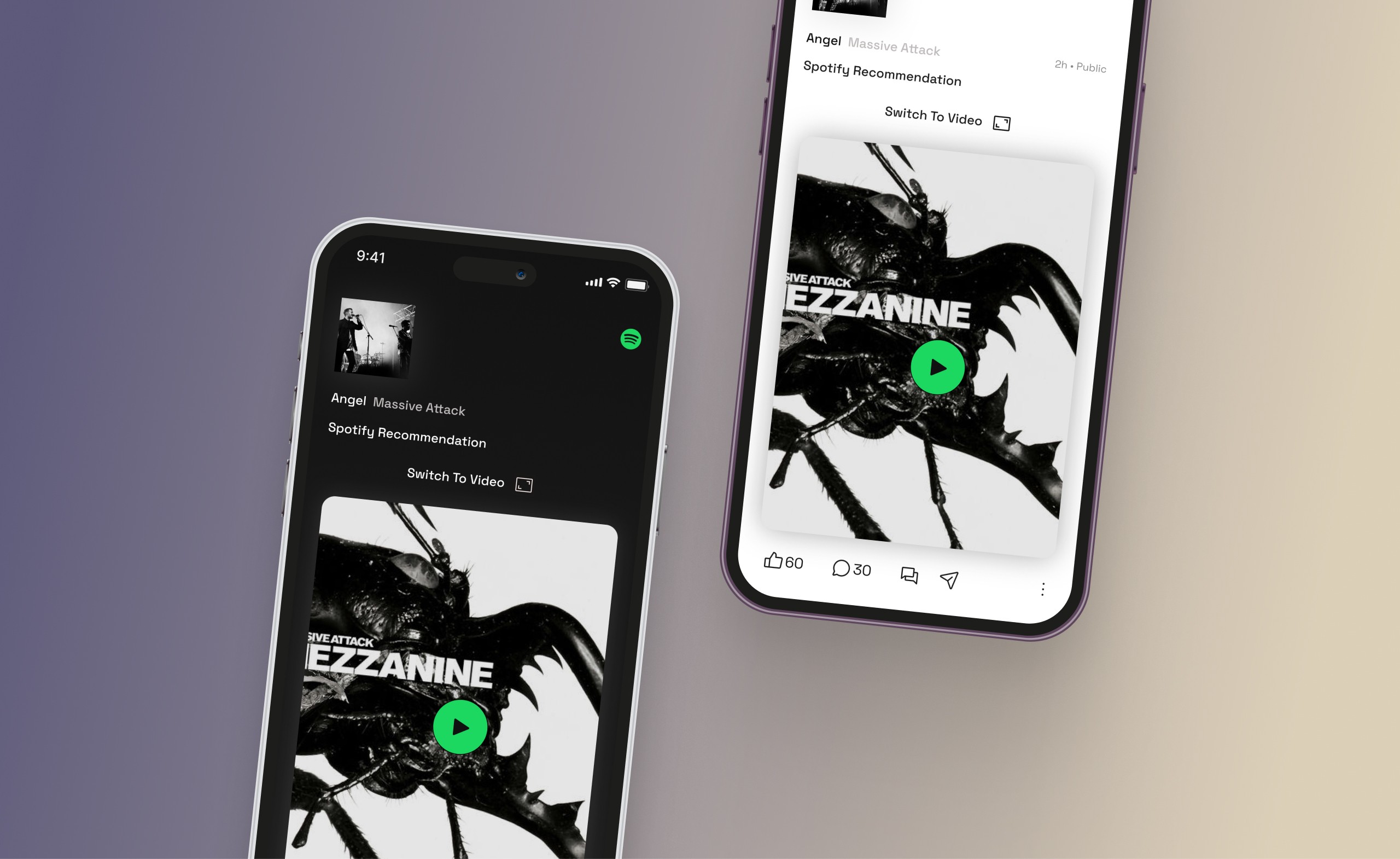
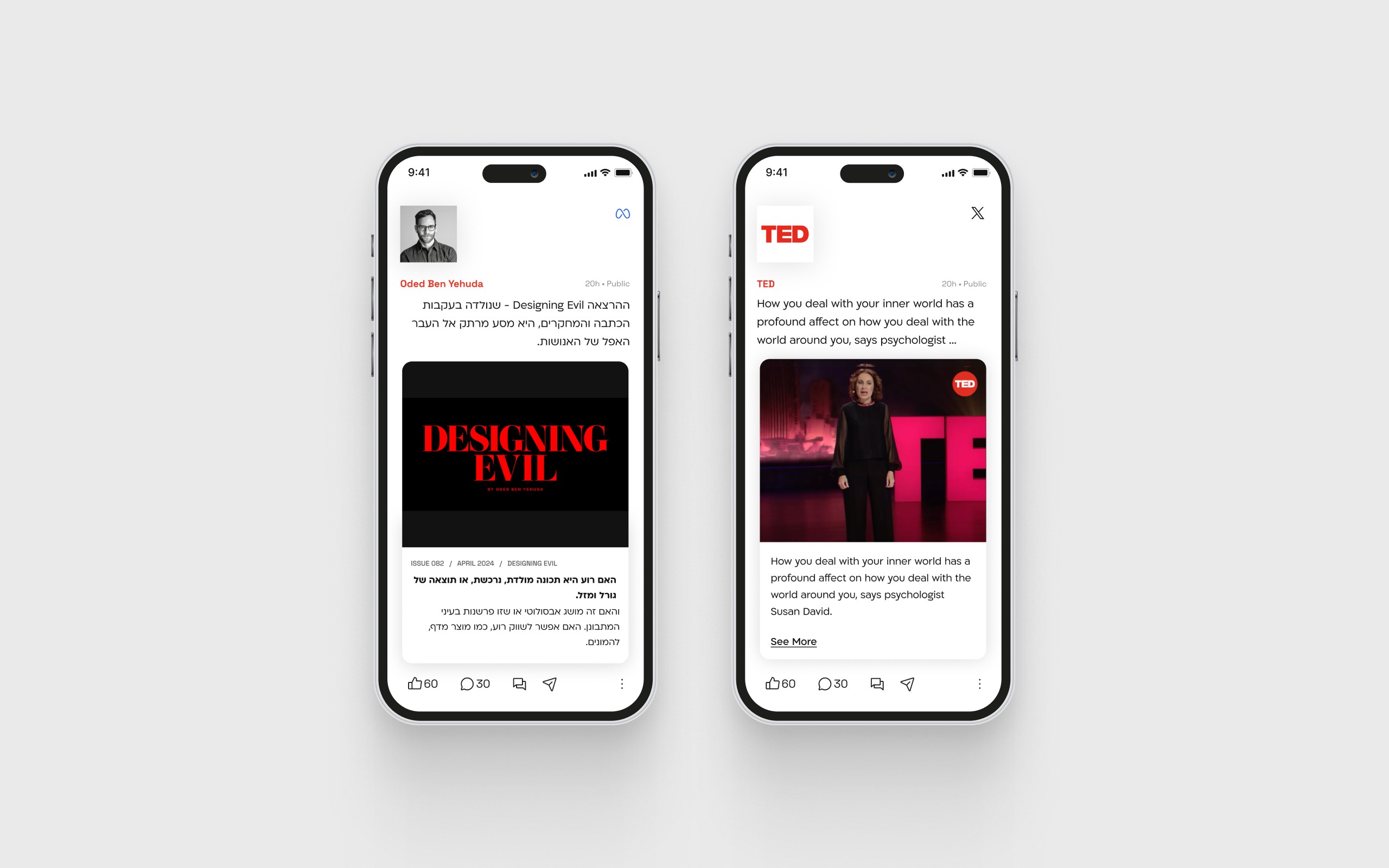
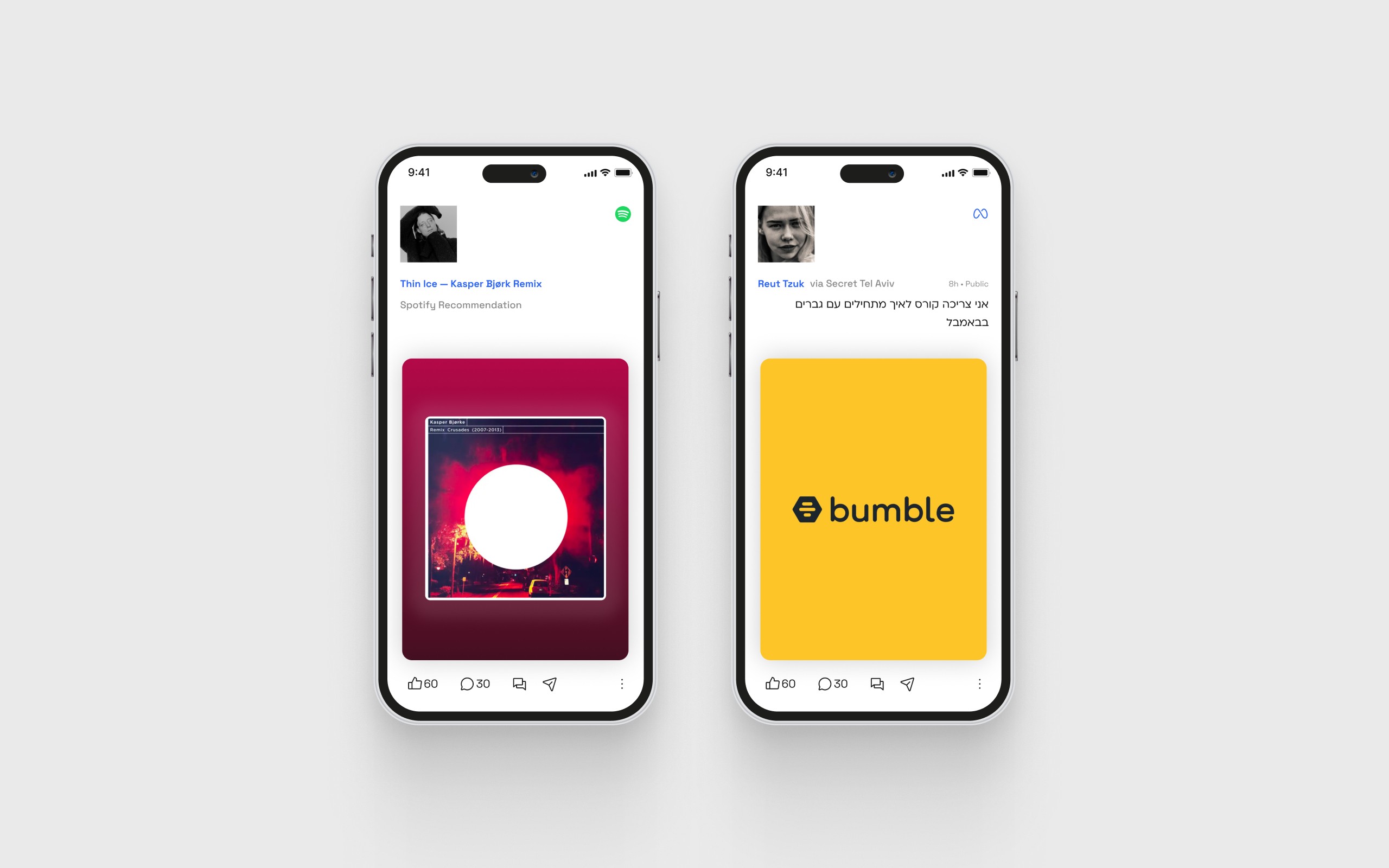
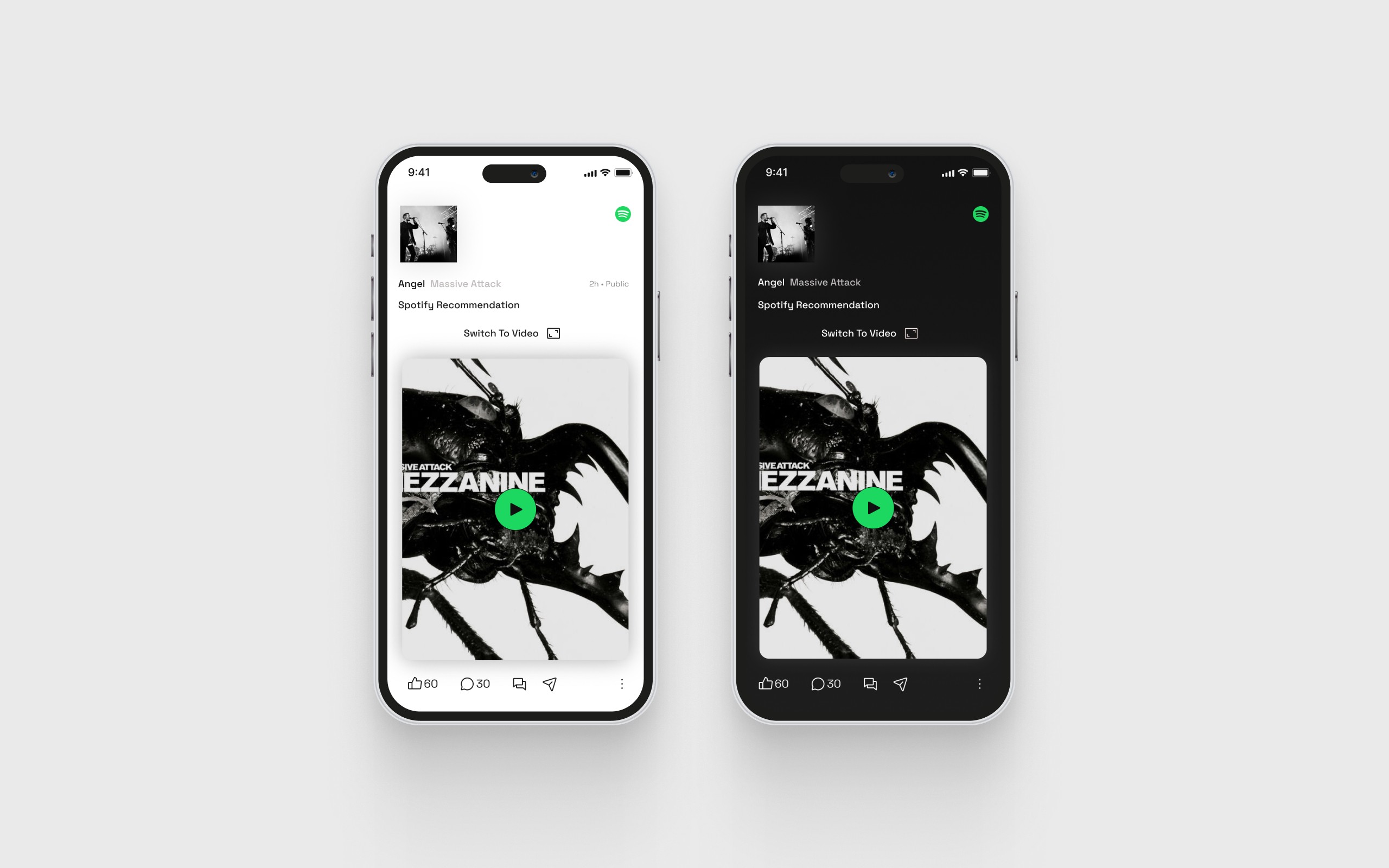
The visual language is built around calm as a product decision, not just an aesthetic one. Content cards use generous white space and editorial typography. No badges, no unread counts, no urgency cues — the interface communicates through quality of presentation, not quantity of notifications.
Motion is physics-based and continuous, reinforcing a sense of moving through a space rather than scrolling a list. The intelligence layer is present but quiet — personalization feels like a thoughtful recommendation, not a surveillance reveal.
IMPACT — Focus by design
User testing pointed to improved focus during reading sessions and a response that kept coming up: the experience felt "calm yet dynamic." That pairing is harder to achieve than it sounds — and the feedback suggests it landed.
Tools: Prototyping · Motion Design · Interaction Design · UX Writing
Explore Live App → Under Development